NEWS
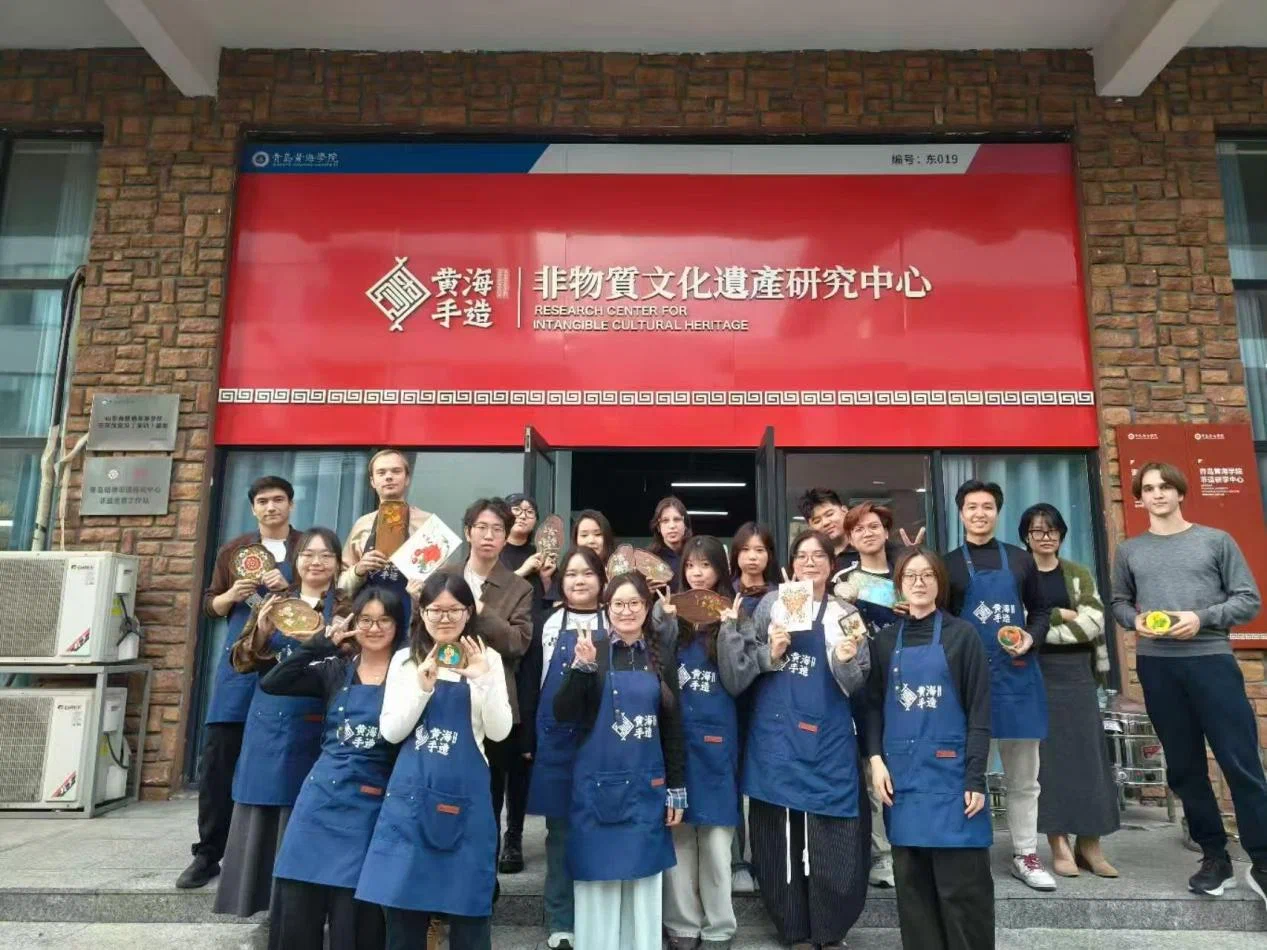
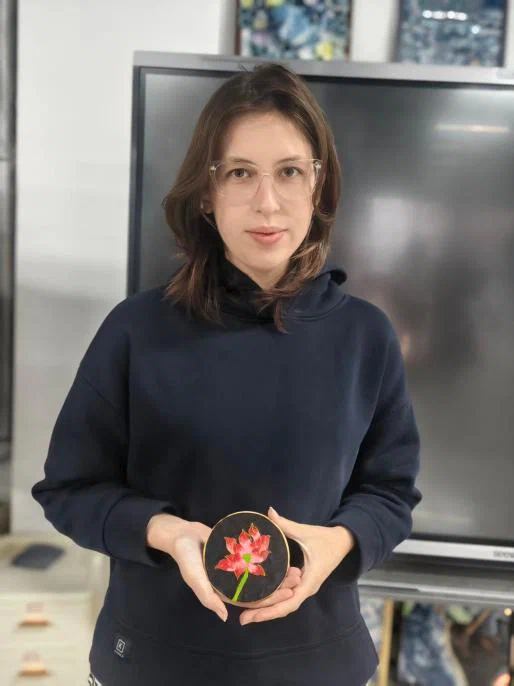
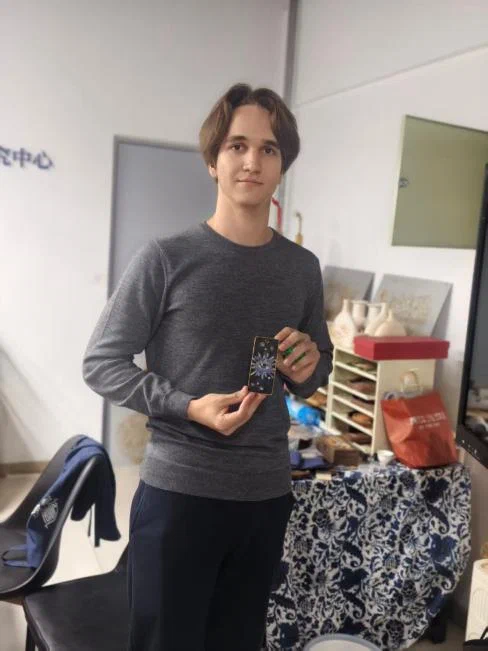
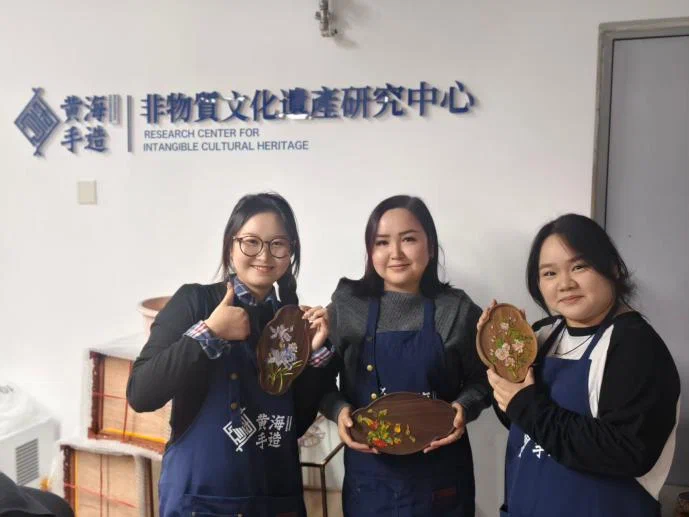
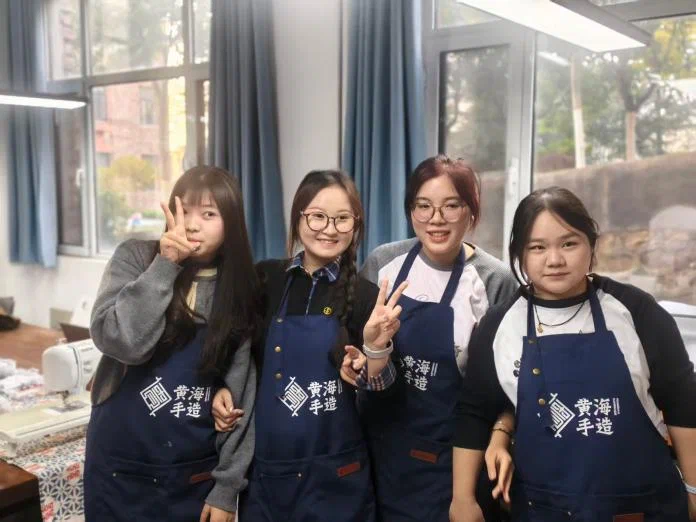
On the afternoon of November 5, over ten international students and Chinese students sat together in the intangible cultural heritage workshop at Qingdao Huanghai University to try their hand at cloisonné enamel. Bending copper wire, mixing colored sand and filling in enamel colors, over the course of more than two hours they filled colors they had only ever seen in display cases into works of their own, with hands not yet skilled.
At the start of the event, the instructor introduced the history and craft of cloisonné enamel, also known as Jingtailan, which was added to China's first national list of intangible cultural heritage in 2006. "Bending means using tweezers to shape copper wire into outlines following a design; filling means putting colored sand into the cells enclosed by the wire," the teacher explained. "Bending calls for a steady hand, and filling calls for patience. The wire must sit tight against the base, or the color will leak when you fill it in."
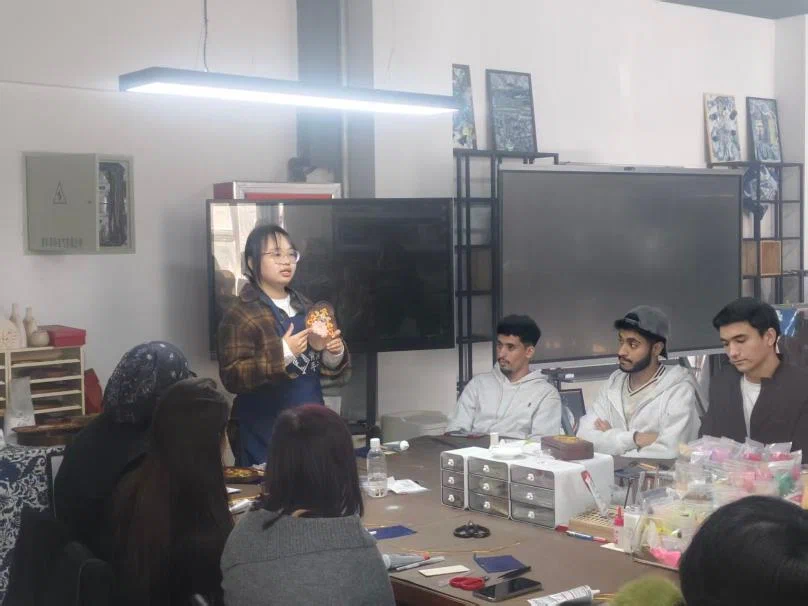
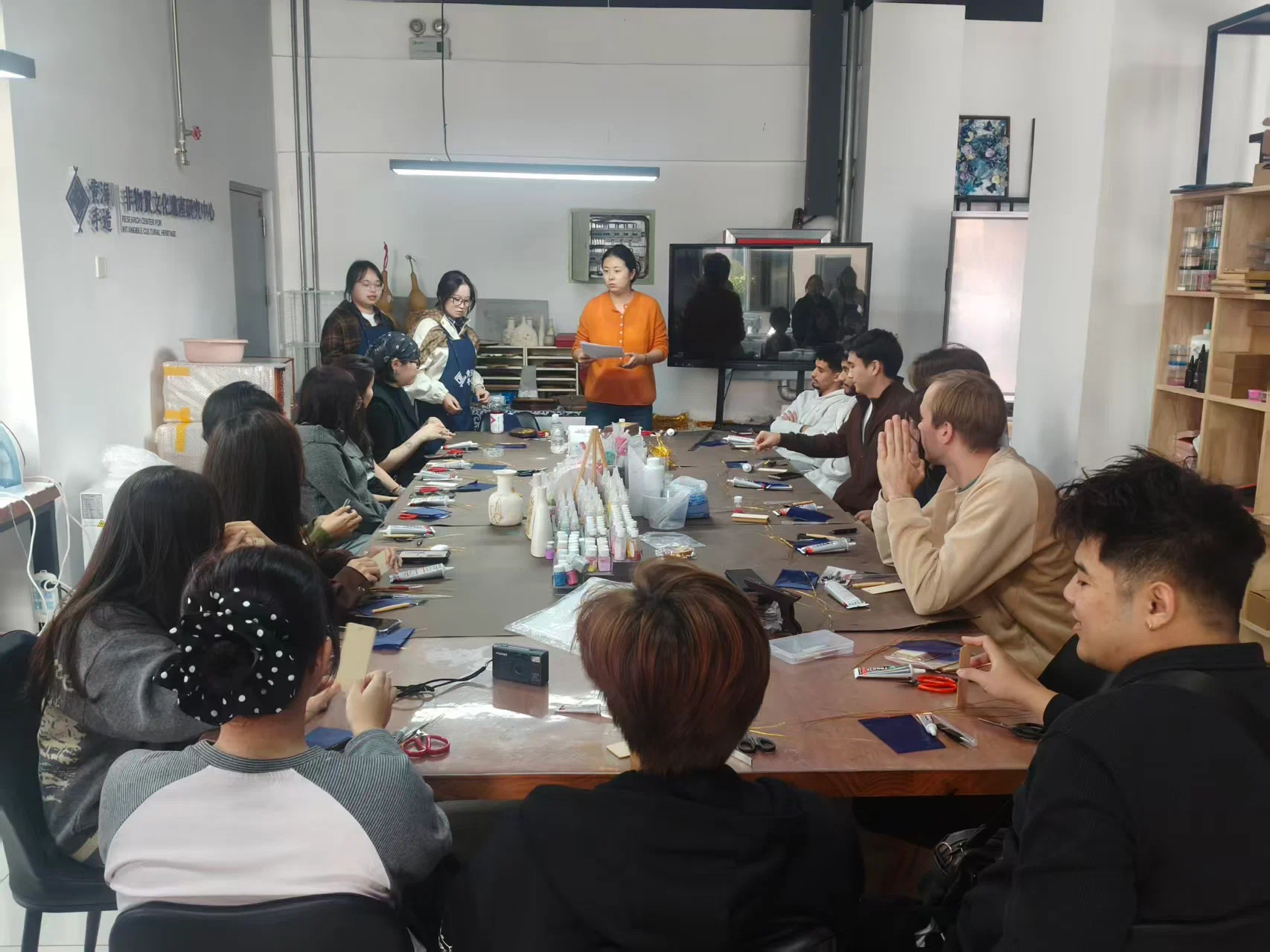
The experience began with tracing the design. Straight lines were manageable, but corners were the hardest: bend too early and the curve falls short; bend too late and you get a sharp point. Some students reworked the same arc three times; others broke the wire and started over. Washing the sand and filling in the colors took even more time, with colored sand spooned bit by bit into the cells — too much and it spilled over, too little and the base showed through. After more than two hours, more than a dozen pieces were finished, featuring flowers and plants, ocean waves and patterns of the students' own choosing.
|
|
|
|
|---|---|---|
|
|
|
|
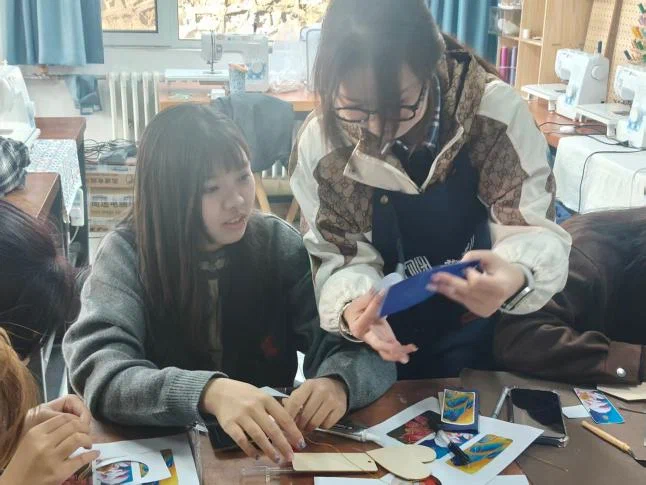
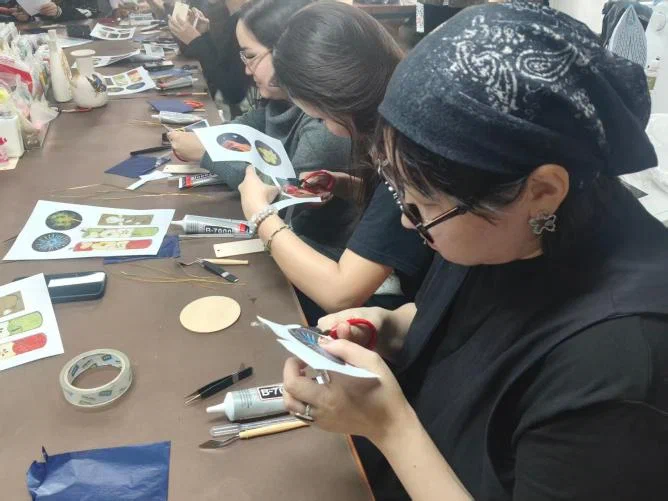
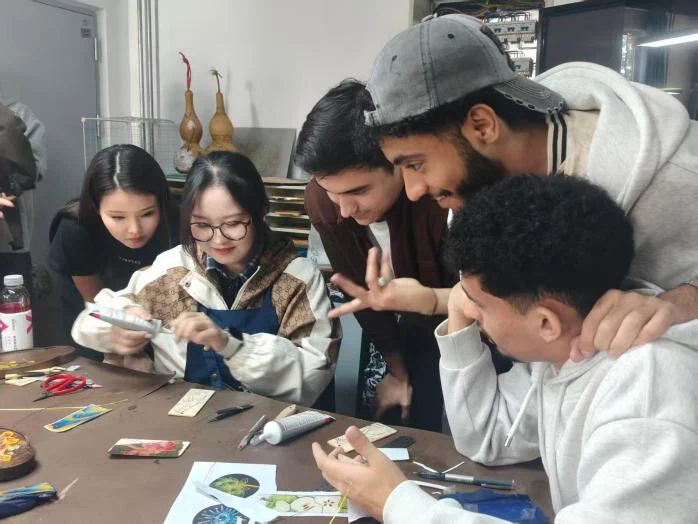
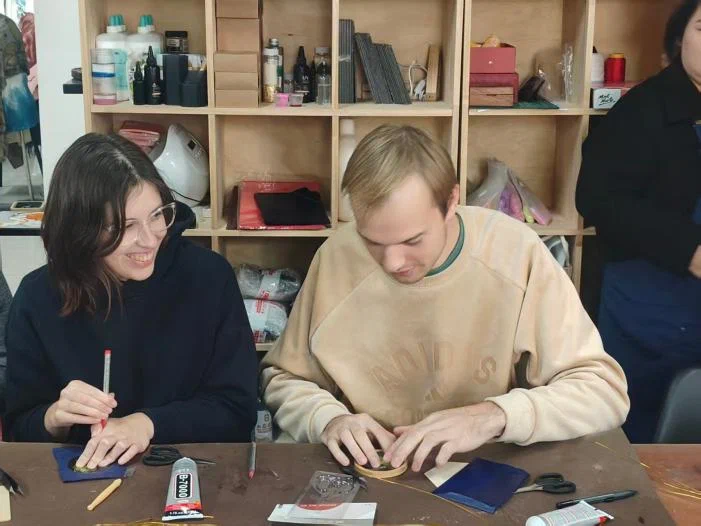
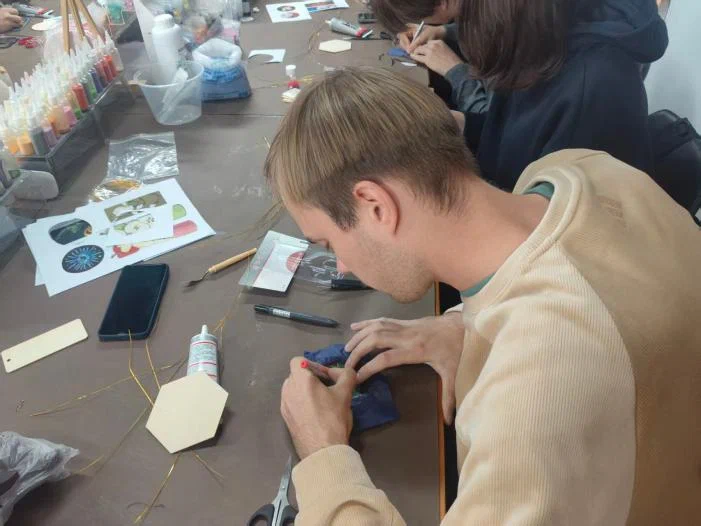
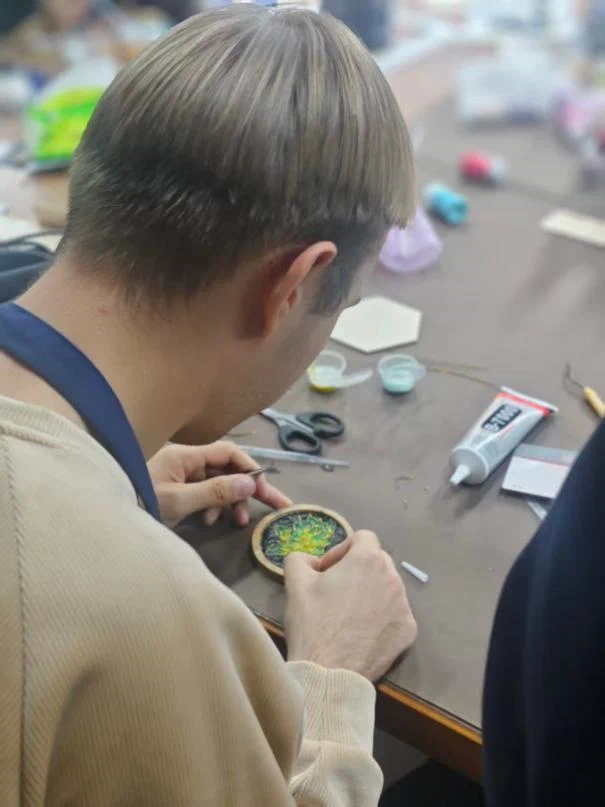
"Watching the teacher, it didn't look hard, but you only know once you try it yourself," said Timofei from Russia, who was trying cloisonné enamel for the first time. "The wire goes crooked as soon as you bend it. I took the petals apart twice before I got them right." Nguyen Thi Lan Anh from Vietnam chose blue and white. "As the colors go in bit by bit, the picture comes out," she said, planning to use her piece as a bookmark in her textbook. He Zhidan from Yemen said her Chinese was not very good, but she had spent the whole afternoon working alongside Chinese classmates. "We understood each other without needing translation," she said, and before leaving she asked the teacher eagerly when she could take part again.
One copper wire, a tray of colored sand, one afternoon,the intangible cultural heritage class gave international students a close-up feel for the charm of China's heritage crafts, and built a platform for Chinese and international students to exchange ideas and work together, promoting mutual learning among cultures and friendly ties.